
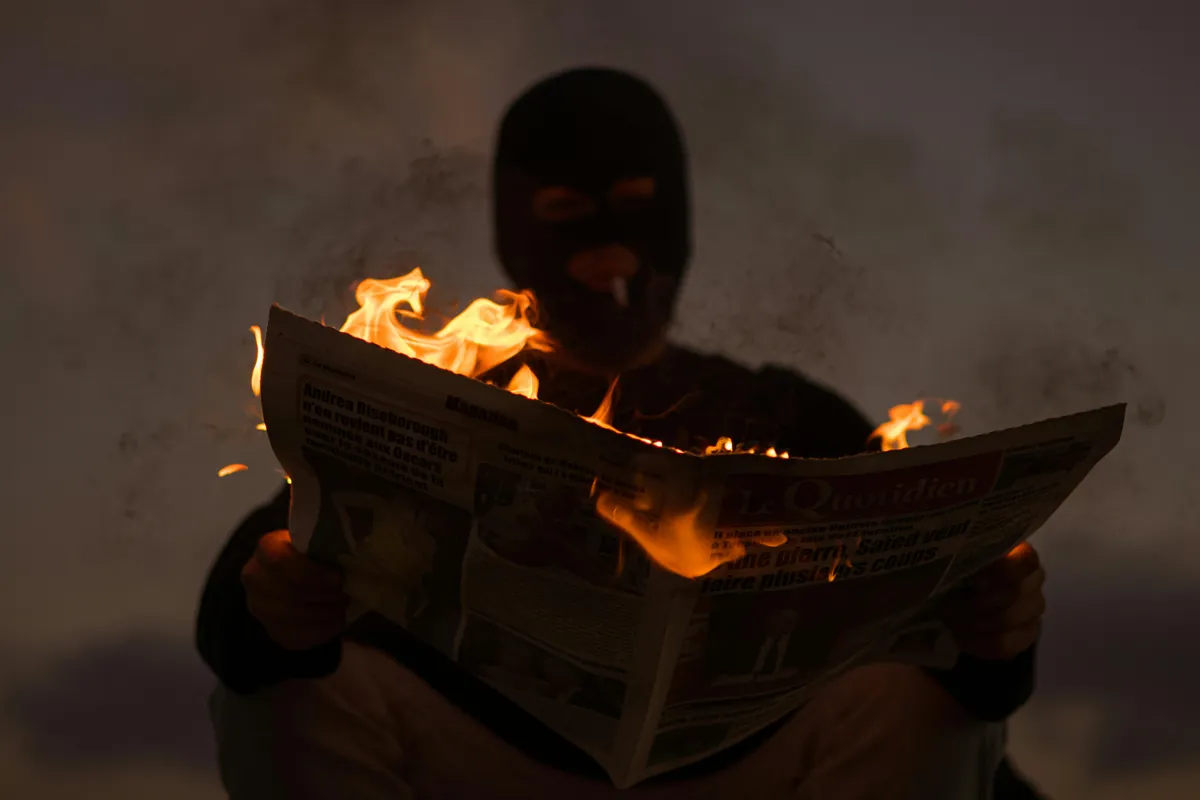
The question “who got fired?” has taken center stage in recent headlines as companies across industries re-evaluate their workforces. From tech giants to retail chains, layoffs and firings are making headlines — sparking conversations about job security, company culture, and market uncertainty. Wikipedia
Understanding these high-profile dismissals matters because they often signal larger economic trends or shifts within industries. For employees and job seekers alike, knowing who got fired and why can provide critical insights into what skills and roles remain valuable in a rapidly evolving job market.
In this article, we’ll take a closer look at the recent wave of firings, examine what’s driving these decisions, and explore what this means for employees and the wider corporate landscape.
Recent Trends: Who Got Fired and Why It Matters
Tech Industry Layoffs Dominate the Headlines
One of the most visible sectors where “who got fired” dominates conversations is the technology industry. Companies like Meta, Twitter, and Amazon have announced significant workforce reductions in recent months. These moves often target mid-level roles, contract workers, and sometimes even senior management.
The reasons vary — from strategic pivots, cost-cutting measures due to market slowdowns, to the aftermath of rapid pandemic-era hiring. For example, many tech companies expanded their teams aggressively during 2020-2021, anticipating sustained growth. However, the sudden shift in economic conditions forced some to reassess their staffing levels.
Retail and Service Sectors Also Feeling the Impact
But it’s not just tech that’s facing layoffs. Retail chains and service industries are also grappling with staffing challenges, leading to firings in some cases. Rising operational costs, changing consumer habits, and automation-driving job role changes are factors influencing these decisions.
For workers in these sectors, who got fired is often linked to factors like decreased store traffic or the closure of certain outlets. It highlights the volatile nature of these industries, especially post-pandemic.
Why Companies Decide to Fire Employees
Economic Pressures and Cost-Cutting
At the heart of most firing decisions are economic pressures. Inflation, recession fears, and supply chain disruptions have squeezed profits. In response, companies often resort to trimming their workforce as a quick way to reduce expenses.
This approach, while painful, can be a crucial step to maintaining financial health and investor confidence. However, the challenge lies in balancing cuts without undermining productivity or morale.
Shifting Business Strategies and Organizational Restructuring
Sometimes firings arise not from financial stress but from strategic realignments. Companies reinvent themselves by focusing on new priorities, which can render entire departments obsolete or lead to changes in leadership.
For instance, a company pivoting to cloud computing might downsize its hardware support team. These changes reflect evolving business needs rather than outright financial failures. Understanding Macy’s Annual Revenue: What It Means for Shoppers and Investors
Performance and Cultural Fit
Beyond external reasons, individual performance and team cohesion also play a role. Who got fired in some cases boils down to mismatches in job expectations, skill gaps, or cultural fit issues. Organizations aiming to enhance company culture and efficiency are sometimes compelled to make tough personnel decisions.
The Human Impact: What Fired Employees Face Next
Emotional and Financial Strain
Being fired is a significant life event that brings financial uncertainty and emotional stress. Many employees report feelings of anxiety, loss of identity, and concern about future job prospects.
Understanding who got fired and the circumstances helps organizations recognize the importance of offering support, from severance packages to career counseling and mental health resources.
The Silver Lining: New Opportunities and Career Growth
While losing a job is challenging, for many, it opens doors to new opportunities. Some use the setback as a chance to reskill, pivot careers, or even launch entrepreneurial ventures.
In today’s dynamic job market, staying adaptable and continually refining skills is more important than ever.
What This Means for Job Seekers and Employees Today
Staying Informed About Company Health
For those currently employed or job hunting, keeping a pulse on news about layoffs and firings is critical. It can provide clues about which sectors are shrinking or growing and help in making informed career decisions.
Building Resilience and Skill Versatility
One clear takeaway from the question “who got fired” is the value of adaptability. Employees with cross-functional skills, technological savvy, and the ability to evolve with their company’s needs stand a better chance of long-term job security.
Networking and Continuous Learning
Maintaining strong professional networks and engaging in ongoing education can also soften the impact of layoffs. The connections you build may become vital lifelines in career transitions. How the Global Market is Shaping the Future of Business in 2024
Conclusion
The question “who got fired” is more than just curiosity about personnel changes — it offers a window into wider economic and business shifts. By understanding the causes and consequences of these firings, employees and job seekers can better prepare for the uncertainties of today’s job market.
Moreover, companies face the challenge of managing layoffs with empathy and strategic foresight to preserve morale and their future workforce. As industries continue to evolve, staying informed, adaptable, and resilient will be crucial for navigating the changing world of work.
FAQ
Q: Which industries are currently experiencing the most firings?
A: The technology sector is seeing significant layoffs, followed by retail and service industries. These sectors are undergoing restructuring due to economic pressures and shifts in consumer behavior.
Q: Why do companies usually fire employees during economic downturns?
A: Companies often reduce their workforce to cut costs and preserve cash flow when facing economic uncertainty or declining revenues.
Q: How can employees prepare for potential layoffs?
A: Building diverse skills, maintaining professional networks, and staying informed about industry trends can help employees remain competitive and resilient.
Q: What support can companies offer to employees who get fired?
A: Many organizations provide severance pay, career counseling, and mental health resources to help ease the transition for laid-off workers.
Q: Is being fired always a reflection of employee performance?
A: Not necessarily. Many firings result from organizational changes, financial pressures, or strategic shifts, rather than individual performance issues.